Long Flight DVT Prevention: Essential Guide for GCC Travelers
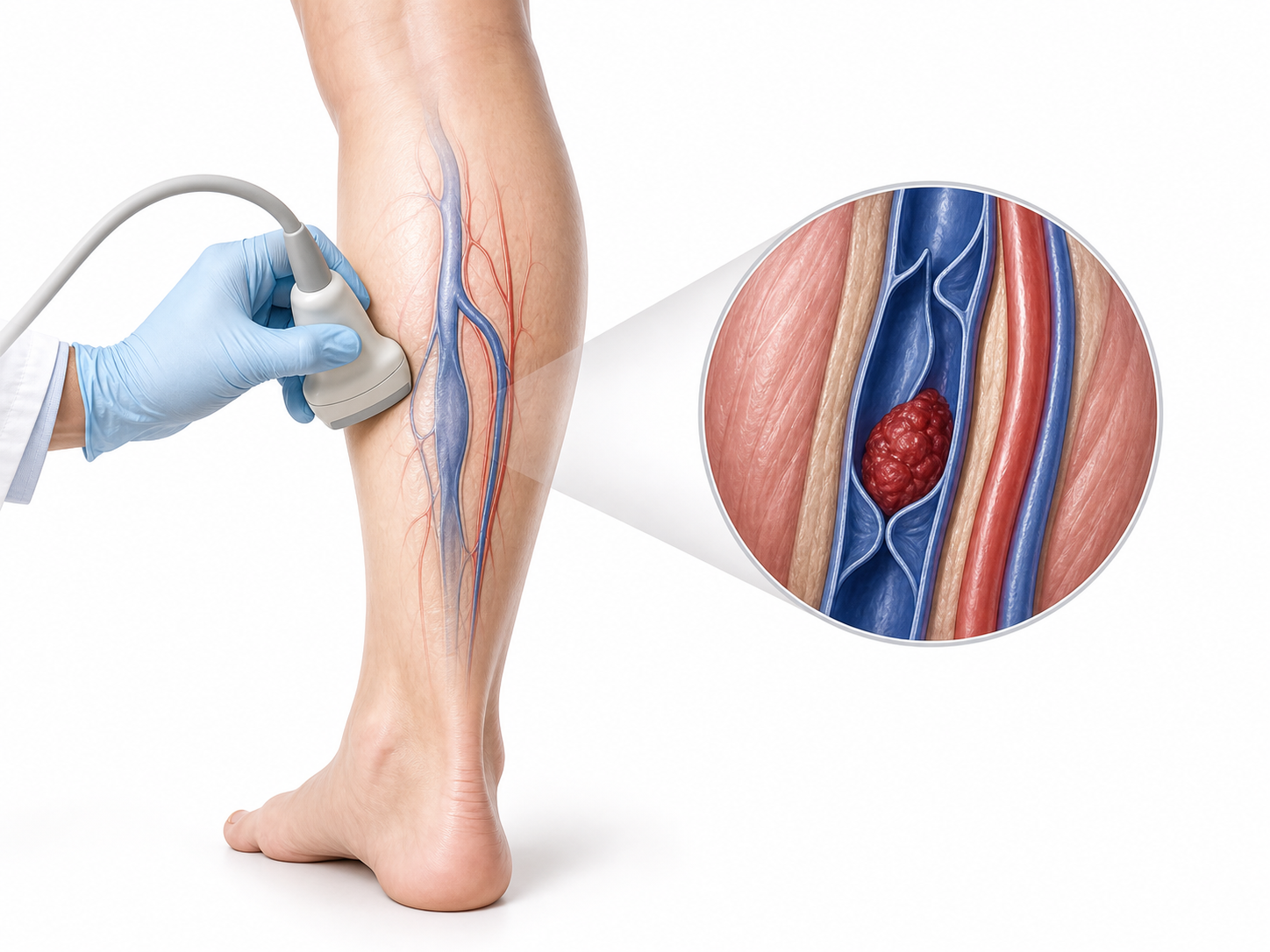
The Reality of Travel-Related DVT
For GCC residents, long-haul flights are a way of life:
- Kuwait to London: 6 hours
- Kuwait to New York: 13 hours
- Kuwait to Los Angeles: 17 hours
- Kuwait to Sydney: 18+ hours
Long periods of immobility can increase the risk of Deep Vein Thrombosis (DVT), particularly when a traveler has other important risk factors. The individual level of risk varies.
Why Long Flights Are Dangerous
Why Immobility Matters
- Prolonged sitting can slow venous blood flow in the legs
- Longer travel duration generally means more time with limited movement
- Cramped seating or luggage around the feet can make movement more difficult
- Personal medical factors such as a previous DVT, recent surgery, active cancer, pregnancy, or hormone therapy can raise concern
- Several risk factors together may matter more than travel duration alone
Who Is at Highest Risk?
You're at increased risk if you have:
- Previous DVT or blood clots
- Family history of clotting disorders
- Recent surgery (within 3 months)
- Active cancer
- Pregnancy or recent childbirth
- Use of birth control pills or HRT
- Obesity (BMI over 30)
- Age over 60
- Varicose veins
- Heart failure or chronic illness
- Smoking history
Travel-Related Risk
Risk varies according to travel duration, mobility, previous DVT, recent surgery, pregnancy, cancer, hormone therapy, and other medical factors. Ask a clinician for individualized advice if you have significant risk factors.
Prevention: Before Your Flight
1-2 Weeks Before Travel
For High-Risk Passengers:
- Ask your clinician for an individualized travel-risk assessment
- Use compression stockings only if they are suitable, correctly fitted, and recommended for you
- Use an anticoagulant only if a clinician specifically prescribes it for this journey
- Routine pre-travel venous ultrasound is not recommended solely for reassurance when there are no symptoms or other clinical indications
For All Passengers:
- Plan regular movement during the journey when it is safe to do so
- Maintain normal hydration according to your usual medical advice
- Avoid excessive alcohol
- Get adequate sleep
Day of Travel
What to Wear:
- Loose, comfortable clothing
- Flat, comfortable shoes you can slip on/off
- Avoid tight socks or restrictive bands
- If compression stockings were recommended for you, use the prescribed type and correct size
What to Pack:
- Refillable water bottle
- Comfortable socks for walking
- Any prescribed compression garment or medicine, with the instructions given by your clinician
Prevention: During Your Flight
Hydration Strategy
- Drink normally during the journey unless your clinician has given you a fluid restriction
- Avoid excessive alcohol
- Moderate caffeine if it interferes with hydration or sleep
Movement Protocol
While Seated, Regularly:
- Flex and point your feet (ankle pumps)
- Rotate ankles in circles
- Lift toes while keeping heels on floor
- Lift heels while keeping toes on floor
At Regular Intervals When It Is Safe:
- Stand up and stretch
- Walk up and down the aisle
- Do standing calf raises
- March in place if aisle is blocked
Seating Tips
- Choose aisle seat for easier movement
- Avoid crossing legs
- Avoid storing bags under the seat in front (limits leg space)
- Elevate feet slightly when possible
- Don't sleep for the entire flight
Prevention: After Your Flight
First 24-48 Hours
- Walk for 30 minutes when you arrive
- Return to normal activity and hydration as appropriate for you
- Avoid prolonged sitting
- Follow the instructions provided if compression stockings were prescribed
- Do gentle stretching
First 2 Weeks
- Stay active
- Watch for symptoms
- DVT risk remains elevated
- Seek medical attention for any leg symptoms
Warning Signs After Travel
Seek Immediate Medical Attention If:
In Your Leg:
- Swelling (especially one leg more than other)
- Pain or tenderness (often starts in calf)
- Warmth in the affected area
- Redness or discoloration
- Visible veins more prominent
Signs of Pulmonary Embolism (EMERGENCY):
- Sudden shortness of breath
- Chest pain when breathing deeply
- Rapid heart rate
- Coughing up blood
- Feeling faint or dizzy
- Sudden anxiety
If you experience possible pulmonary embolism symptoms, call 112 in Kuwait or go to the nearest emergency department immediately.
After Travel: When Medical Assessment Is Appropriate
When to Get Screened
Seek prompt medical assessment:
- Leg swelling after flight
- Calf pain or tenderness
- Any possible pulmonary embolism symptoms; chest pain, shortness of breath, fainting, or severe symptoms require emergency care—call 112 in Kuwait
For stable concerns or significant risk factors without emergency symptoms, ask a clinician whether an appointment or ultrasound is appropriate. Routine ultrasound solely for reassurance is not recommended by this page.
What We Check
When ultrasound is clinically requested, the examination is selected according to the referral and symptoms and may include:
✓ Compression ultrasound of the clinically relevant venous segments ✓ Doppler assessment when indicated ✓ Doppler evaluation of blood flow ✓ Documented findings and a reporting time confirmed after the examination
Special Considerations for Ramadan Travel
Many GCC residents travel during Ramadan for Umrah or holiday:
Fasting and DVT Risk
- Dehydration risk is higher when fasting
- Ensure adequate hydration during non-fasting hours
- Consider timing of flights around iftar
- Ask a clinician whether compression stockings are appropriate for your individual risk
Tips for Ramadan Travelers
- Hydrate well at suhoor and iftar
- Choose overnight flights if possible
- Break fast with water on the plane if needed for medical reasons
- Consult your doctor about travel during fasting
Compression Stockings: Individual Advice Matters
Why They Work
- May support venous return and reduce swelling for some travelers
- Must be correctly sized and selected for the individual
- Are not suitable for everyone; ask a clinician if you have arterial disease, skin problems, or other medical concerns
Choosing the Right Stockings
- Pressure and length should be selected according to individual assessment and clinician advice
How to Wear Them
- Follow the product and clinician instructions for when to put them on and remove them
- Ensure proper fit, without bunching or rolling
- Stop and seek advice if they cause new pain, numbness, marked color change, or other concerning symptoms
Business Travelers: Special Section
If you fly frequently for work:
Ongoing Risk Review
- Frequent flying alone is not an indication for routine annual, semi-annual, or baseline DVT ultrasound
- Review your risk with a clinician after a new clot, surgery, cancer diagnosis, pregnancy, major illness, or another important change
- Arrange prompt medical assessment if new leg swelling, calf pain, chest pain, shortness of breath, or fainting occurs
Long-Term Prevention
- Maintain healthy weight
- Regular exercise when home
- Follow your usual hydration and medical plan
- Aspirin is not recommended specifically to prevent travel-related blood clots; take it only when prescribed for another clinical reason
- Don't smoke
When to Arrange Medical Assessment
Before travel, people with major risk factors can ask their treating clinician for an individualized prevention plan. Ultrasound is used when symptoms, examination findings, or a specific referral question make it clinically appropriate; it is not a routine pre-travel test.
Before Travel
- Review important risk factors with your treating clinician
- Ask whether fitted compression or prescribed medicine is appropriate for you
- Do not start aspirin or an anticoagulant on your own
After Travel
- Seek prompt medical assessment for new one-sided swelling, calf pain, warmth, or redness
- Call 112 for chest pain, shortness of breath, fainting, or another severe or sudden symptom
- When ultrasound is clinically requested, the protocol and reporting arrangement are confirmed for that examination
For a stable, non-emergency appointment, WhatsApp may be used only to coordinate the exam name and preferred time. Do not send symptoms, referrals, reports, or other medical details there; wait for the team to confirm a secure clinical channel.
Safe travels!
Related Services
Need Expert Consultation?
Book your appointment with Dr. Ahmad Al Harbi for comprehensive, specialized assessment