Atherosclerosis Risk Factors: How Cholesterol, Smoking and Family History Affect Circulation
What Is Atherosclerosis?
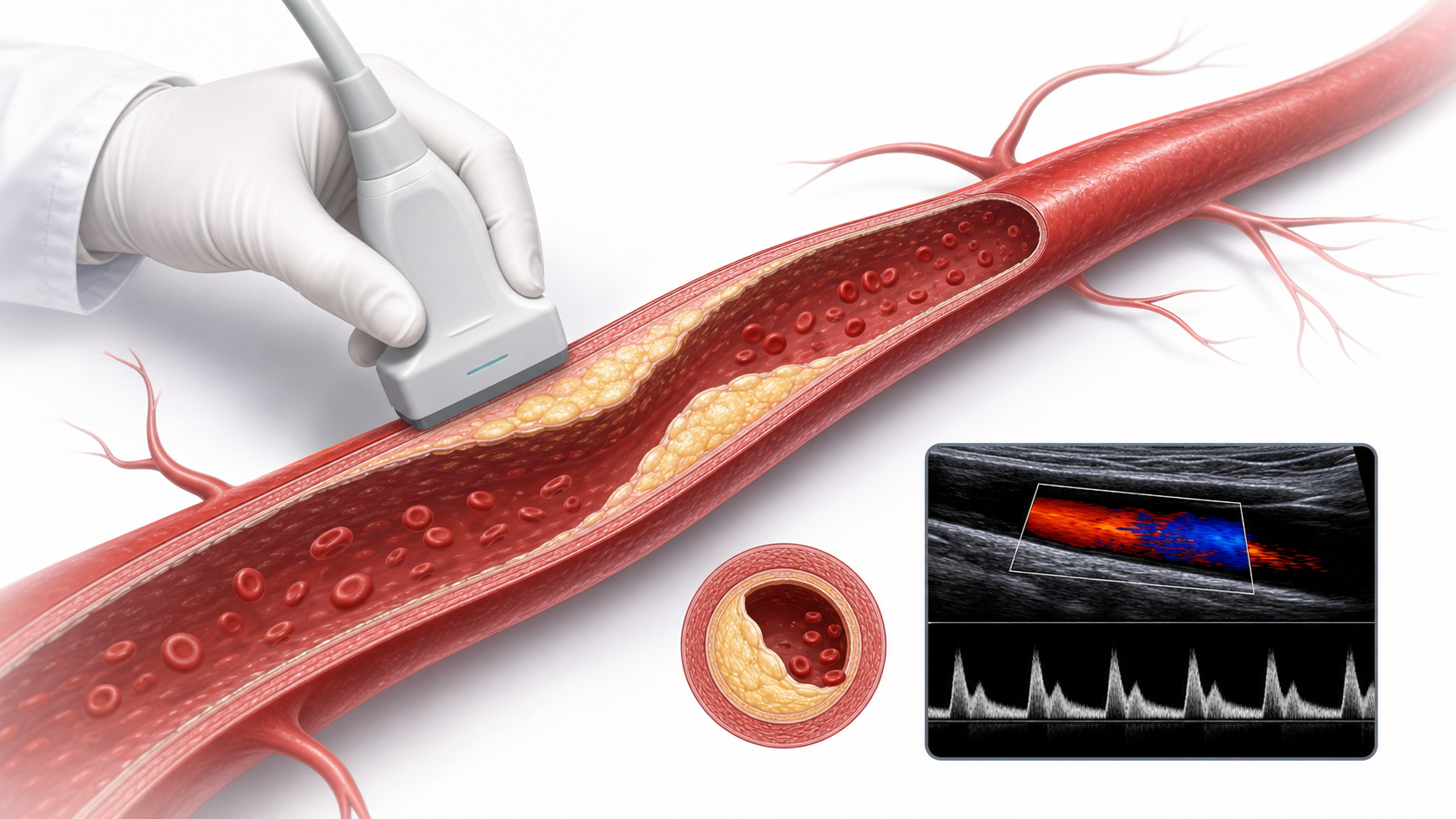
Atherosclerosis is a gradual buildup of plaque within artery walls. Plaque contains cholesterol and other substances, and over time it can make an artery narrower or less flexible. This may reduce blood flow to areas supplied by that artery, including the heart, brain, kidneys, pelvis, or legs.
The process can develop for years without noticeable symptoms. Having one or more risk factors does not prove that an artery is blocked, and it does not mean that complications are inevitable. Risk factors help a clinician understand the overall picture and decide whether prevention, medical review, or targeted testing is appropriate.
Risk Factors Often Work Together
Atherosclerosis usually does not have one single cause. Several factors may act together, and their importance differs from one person to another. Blood-pressure readings, cholesterol results, diabetes control, tobacco exposure, age, family history, kidney health, symptoms, and previous cardiovascular disease all add useful context.
The factors below are among the most important ones to review.
LDL Cholesterol and Arterial Plaque
LDL is often called “bad” cholesterol because high LDL levels can contribute to plaque buildup in arteries. A person may have high LDL without feeling any different, so a blood test and clinical risk review are more useful than symptoms alone.
The meaning of a cholesterol result depends on the whole clinical picture. A clinician may consider age, diabetes, blood pressure, smoking, kidney disease, family history, and any known heart, brain, or peripheral artery disease before recommending a target or treatment.
Smoking and Secondhand Smoke
Smoking damages blood vessels and is a major modifiable risk factor for atherosclerosis and peripheral artery disease. This includes regular tobacco exposure from cigarettes or shisha. Secondhand smoke can also affect cardiovascular health.
Stopping tobacco use is valuable at any stage. Some people benefit from structured cessation support or clinician-directed medication rather than trying to stop without help.
High Blood Pressure
High blood pressure can gradually injure artery walls and make plaque buildup more likely. It often causes no clear symptoms, which is why reliable measurements and follow-up matter.
One isolated high reading does not always establish a diagnosis. Repeated readings, the measurement method, medicines, and other health conditions should be reviewed by the treating clinician.
Diabetes
Persistently high blood glucose can damage the inner lining of arteries and increase vascular risk. Diabetes may also affect nerves and wound healing, so leg or foot symptoms sometimes need assessment from more than one clinical perspective.
Good diabetes care includes more than one number. The treating team may review glucose control, blood pressure, cholesterol, kidney health, foot condition, activity, nutrition, and tobacco exposure together.
Physical Activity, Nutrition, and Weight
Low physical activity can contribute to an unhealthy cardiovascular risk profile. Regular movement appropriate to a person’s health can support blood-pressure, glucose, cholesterol, fitness, and weight management.
Nutrition and body weight are only parts of the overall picture. Practical, sustainable changes are usually more useful than extreme diets. A heart-healthy eating pattern commonly emphasizes vegetables, fruit, whole grains, suitable protein sources, and less saturated fat, while taking individual medical and cultural needs into account.
People with chest symptoms, severe leg symptoms, a foot wound, or important heart or medical conditions should ask their clinician what type and amount of activity is safe.
Age and Family History
Age and inherited factors cannot be changed. Risk generally increases over time, and a family history of early heart attack, stroke, peripheral artery disease, or very high cholesterol may be relevant.
Some families have inherited cholesterol disorders, including familial hypercholesterolemia. A strong family history does not mean that the same outcome will happen to every relative, but it is worth discussing with a clinician—especially when relatives developed cardiovascular disease at a young age.
Symptoms That Merit Circulation Assessment
Many leg symptoms have non-vascular causes, but assessment may be appropriate when you notice:
- Calf, thigh, or buttock aching, tightness, fatigue, or cramping that repeatedly appears with walking and improves after rest
- Foot or toe pain at rest, especially when persistent
- A foot that is consistently colder than the other side
- A slow-healing foot or toe wound
- A new color change, reduced foot pulses, or another abnormal finding noted by a clinician
- Reduced walking ability that cannot be explained clearly
These symptoms do not diagnose atherosclerosis by themselves. Clinical review helps distinguish an arterial problem from joint, muscle, nerve, spine, venous, or other causes.
What a Focused Vascular Assessment May Include
Assessment begins with the clinical question. It may include:
- A history of symptoms, walking pattern, medical conditions, medicines, smoking, and family history
- Examination of the legs and feet, including skin, temperature, wounds, and pulses
- An ankle-brachial index (ABI), which compares ankle and arm pressures
- Doppler waveforms or toe-pressure testing when additional information is needed
- A targeted arterial duplex ultrasound when the result can help answer a specific question or guide care
ABI can be less straightforward in some people with diabetes or chronic kidney disease because arteries may be difficult to compress. In those situations, the clinician may select additional physiological tests.
Not every person needs every test, and a duplex scan is not automatically required simply because a risk factor is present.
Does Everyone Need Artery Screening?
No single screening plan is suitable for everyone. The 2024 ACC/AHA peripheral artery disease guideline recommends ABI when symptoms or examination findings suggest PAD, and says ABI screening can be reasonable for selected people at increased risk.
Routine testing has a low yield in younger people who have no symptoms and no atherosclerosis risk factors. A clinician should decide whether testing is likely to answer a useful question or change care.
Practical Steps You Can Take
- Ask for periodic review of blood pressure, cholesterol, and glucose according to your health needs
- Avoid tobacco and seek cessation support if needed
- Move regularly and build activity gradually when it is safe for you
- Choose sustainable food and weight-management steps suited to your medical needs
- Tell your clinician about early cardiovascular disease or very high cholesterol in close relatives
- Take prescribed medicines as directed and discuss side effects or concerns with the prescriber
- Do not start aspirin, a cholesterol medicine, or another vascular medication based only on an online article, and do not stop a prescribed medicine without medical advice
Medication decisions depend on the confirmed diagnosis, overall cardiovascular risk, other conditions, and possible side effects or bleeding risk.
Concise Emergency Signs
A limb that suddenly becomes very painful, cold, pale or blue—with new numbness, weakness, or loss of movement—needs emergency assessment. Sudden facial weakness, difficulty speaking, severe chest symptoms, or sudden major breathing difficulty also require emergency care. Call 112 in Kuwait or go to the nearest emergency department.
The Main Message
Atherosclerosis develops gradually, and risk is not determined by one food, one test result, or one family member’s history. Knowing the important risk factors, reviewing what can be changed, and using targeted assessment when clinically appropriate is a practical way to protect arterial health without unnecessary fear or testing.
Need Expert Consultation?
Book your appointment with Dr. Ahmad Al Harbi for comprehensive, specialized assessment