
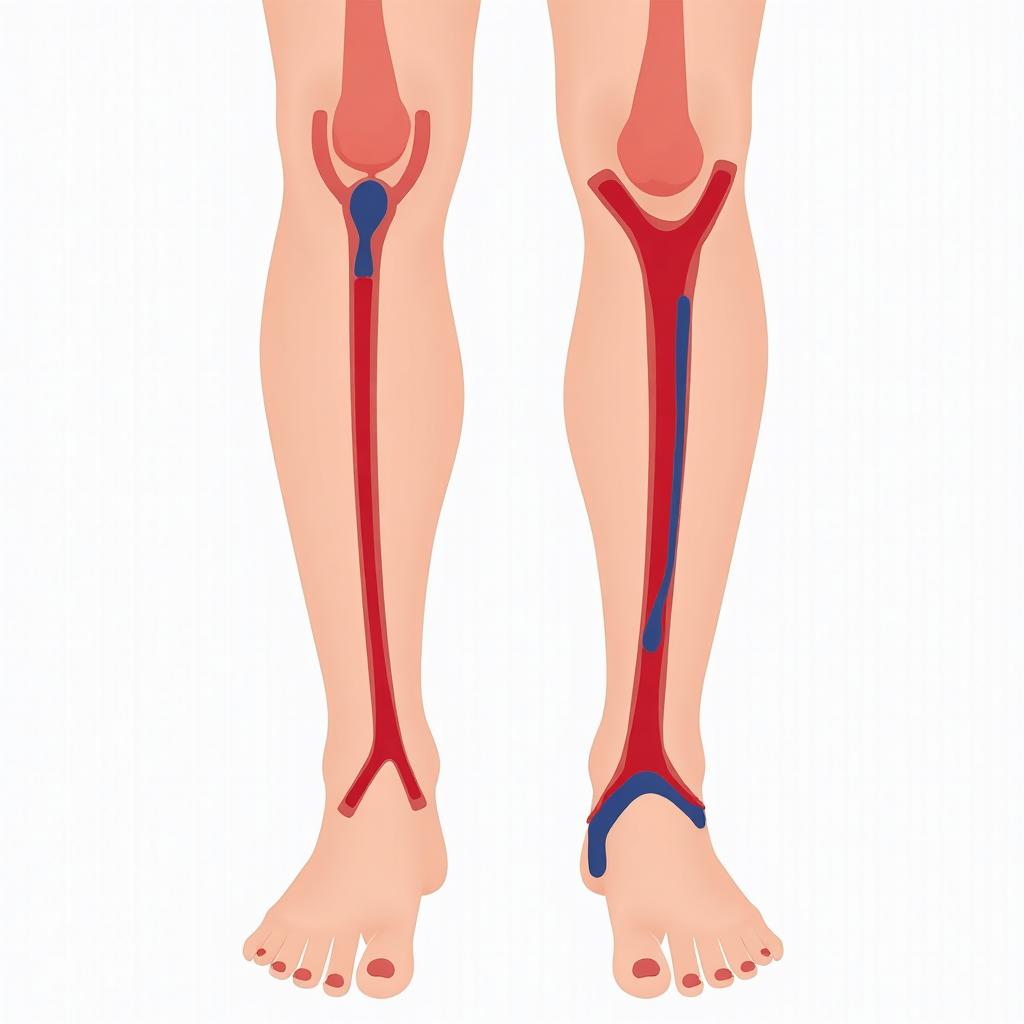
PAD affects over 200 million people worldwide. Early detection prevents amputation.
What is Peripheral Artery Disease (PAD)?
Peripheral Artery Disease (PAD) occurs when plaque builds up in the arteries that carry blood to your legs, reducing blood flow. This can cause pain when walking, slow-healing wounds, and in severe cases, may lead to amputation.
Our comprehensive PAD assessment includes arterial duplex ultrasound and ankle-brachial index (ABI) measurement to accurately evaluate your leg circulation and guide treatment.
Signs of Poor Leg Circulation
Why PAD Assessment Matters
45-60
minutes
Same Day
Results
Common Questions About PAD Assessment
Understanding Your Condition
When to Seek Urgent Medical Care
Vascular ultrasound is helpful for stable diagnostic questions. For sudden or severe symptoms, urgent medical assessment comes first.
- Foot pain at rest, especially at night
- Black toe, blue toe, or a cold painful foot
- Foot wound, ulcer, or infection that is not healing
Peripheral Arterial Disease: The Silent Threat to Your Legs
Recognizing PAD Symptoms
- Claudication: Leg pain or cramping when walking that goes away with rest
- Cold Feet: One foot feels colder than the other
- Hair Loss: Decreased hair growth on legs and feet
- Slow Healing: Wounds or sores on feet that take long to heal
- Skin Changes: Shiny skin, color changes, or thickened toenails
- Weak Pulse: Diminished or absent pulse in feet
PAD Assessment at Vascular Lab Kuwait
Trusted Medical Sources
This educational content is written for patients and aligned with trusted public medical references. It does not replace personal medical advice.
Related Vascular Services
Explore our comprehensive vascular diagnostic services available at International Hospital, Kuwait